
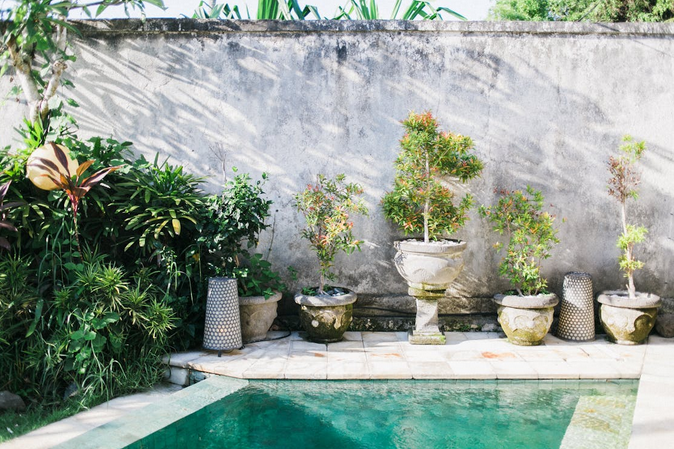
Water bills creeping up have a way of changing how homeowners view their yards. Lush grass looks nice, but it comes with effort, cost, and constant attention. Many people now want outdoor spaces that feel relaxed and intentional, not thirsty and demanding. The good news is that low-water landscaping can still turn heads. This style is less about sacrifice and more about smarter choices. Texture replaces turf. Shape replaces splashy color. With a few thoughtful shifts, a yard can feel polished without relying on daily watering or anxious weather watching.
Gravel Gardens With Structure
Gravel gardens are clean, modern, and surprisingly cozy. They reduce water use immediately while offering a strong visual contrast. Stone paths, crushed rock, or pea gravel create a calm base that highlights plants instead of competing with them. This setup also cuts down on mowing and mud. The key is structure. Borders, stepping stones, and defined edges keep gravel from looking unfinished. Add sculptural plants or low shrubs for balance. The result feels intentional, not bare, and stays attractive through dry spells.
Native Plants That Belong There
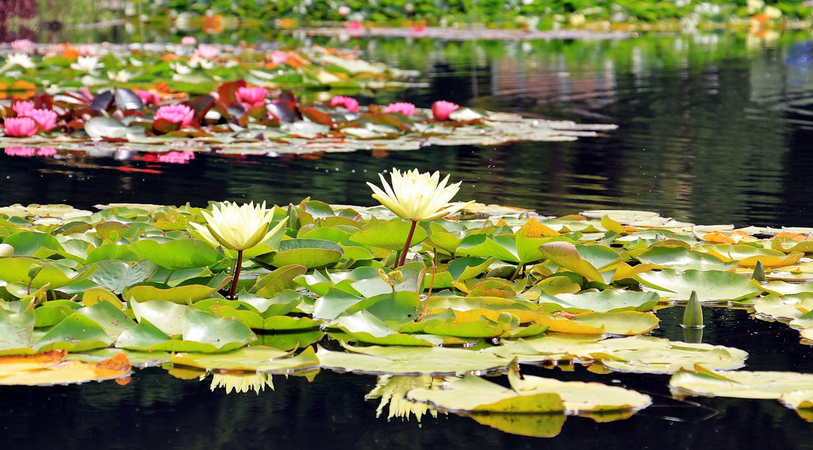
Native plants already understand your climate. They grew up there, so they know the routine. Once established, they need far less water than imported varieties. They also tend to handle heat waves without drama. These plants bring subtle beauty rather than flashy blooms. Think soft grasses, textured leaves, and seasonal color shifts. The yard feels calm and grounded. Maintenance drops, and the space still feels alive. Another benefit is how quietly resilient these plants are. They bounce back after dry weeks and do not panic when rain skips the forecast. Pollinators also recognize them, which brings subtle movement into the yard. Over time, the landscape feels settled, like it has always been there.
Succulents and Drought-Tolerant Stars
Succulents have moved far beyond desert stereotypes. They come in sculptural shapes that look like living art. Many thrive with minimal watering and strong sunlight. This makes them ideal for busy households. Mixing sizes and colors keeps things interesting. Place them in clusters or raised beds for impact. Their slow growth means less pruning. The look feels curated without constant effort. These plants also reward patience. Their slow pace means the design stays consistent instead of exploding overnight. Wide varieties store water in their leaves, which gives them that plump, polished look.
Hardscaping That Carries the Design
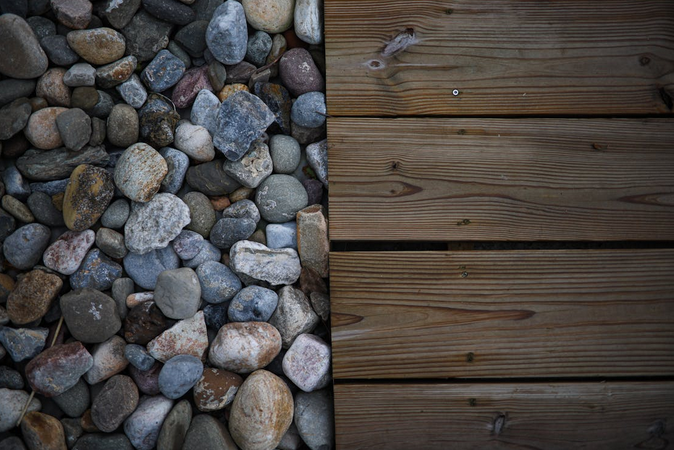
Hardscaping does much of the visual work in low-water yards. Patios, stone walls, and walkways define space without needing water at all. These elements give the yard shape and purpose. They also extend how the space gets used. Materials matter here. When plants play a supporting role, the yard still feels finished even during dry seasons.
Mulch and Ground Covers That Do the Heavy Lifting
Mulch is often overlooked, yet it quietly changes everything. It holds moisture, protects roots, and improves soil health. It also gives the yard a tidy, finished look. Organic mulch blends well with most styles. Ground covers offer another low-water solution. Many spread gently and reduce bare soil. They help control weeds and keep moisture where it belongs. Low-water landscaping is not about giving up beauty. It is about choosing elements that work smarter, not harder. These ideas create outdoor spaces that feel calm, stylish, and forgiving. A yard like this does not beg for attention. It simply looks good, even when the hose stays off.